As we mentioned earlier in this article, last weekend we had the pleasure of participating in the Festival of Non-Hostile Communication, organized by Parole O_Stili.
These were two extremely interesting days, which helped us not only rediscover the true significance of words and communication—both real and virtual—but also understand and deepen our relationship with the younger generations, from both a personal and a business perspective.
The paradigm of the world of work has, in fact, changed completely.
Until just a few years ago, the main goal of job seekers—and, consequently, the primary focus of employers—was economic stability. A secure job that could become a constant in our lives and daily routines, one to which we could remain loyal and, if possible, advance our careers. Security, stability, and certainty were the defining factors of the world of work.
Today, however, everything has changed, and economic considerations have taken a back seat. The younger generations are looking for a welcoming and inclusive environment and are willing to switch jobs—even quite frequently—to find it. Personal well-being, corporate ethics, and sustainability have become the new cornerstones that make a company appealing to Generation Z—that is, young people born between 1995 and 2015.
A paradigm shift that gives us much to think about.
From a human perspective, it is necessary to understand what caused this change: Is personal safety less important than other values, or is there a general feeling that economic stability is now out of reach?
From a business perspective, it is clear that this change represents an opportunity—one that, however, carries risks. The opportunity lies in imbuing one’s operations with a strong ethical foundation, making a concrete commitment to achieving virtuous—rather than purely economic—goals, and replacing words with action. The risk, however, is failing to do so quickly or in a striking manner, and being unable to retain younger generations—who are extremely prone to job-hopping—by failing to establish a lasting working relationship and trust, an element that has always been the foundation of a company’s growth.
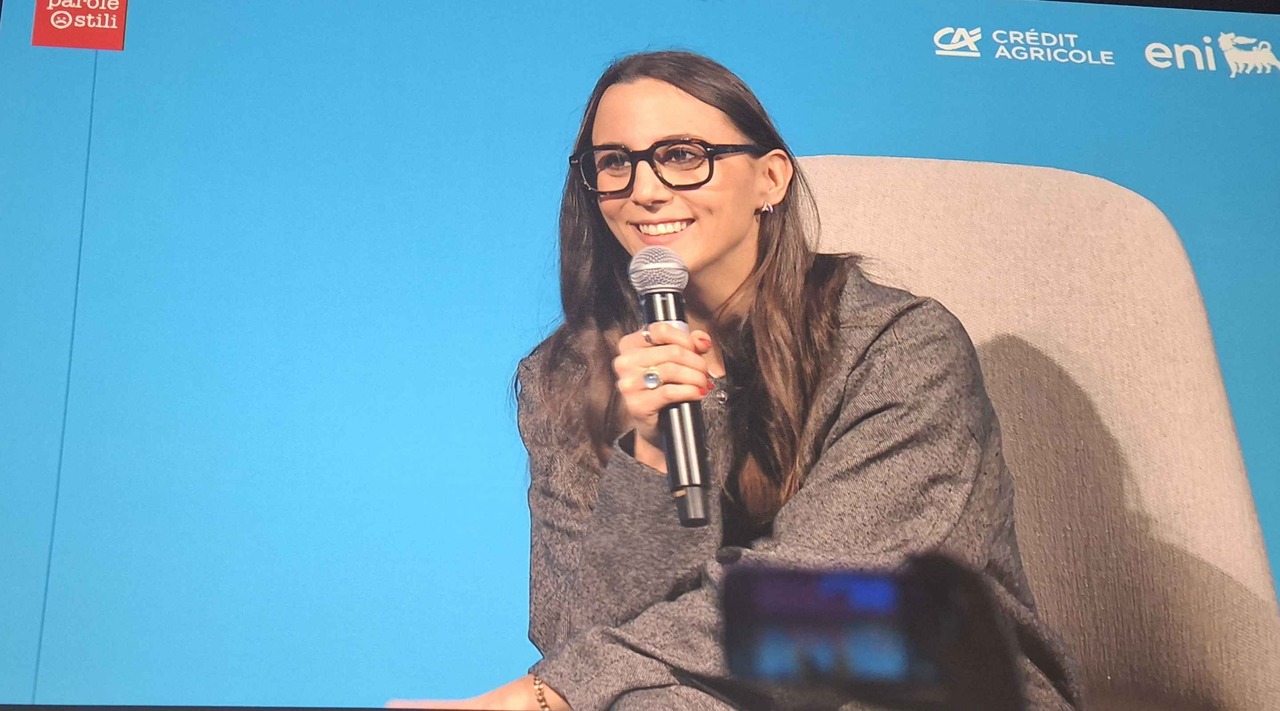
In this context, the remarks by the many successful representatives of the younger generations—influencers in particular—were particularly interesting, as they have been able to build something from scratch while upholding the values we have described. Even in this case, however, the paradigms of the modern world are a double-edged sword: while the internet and new technologies offer the opportunity to actually build something new—including careers—at the same time, for some they can represent a mirage, a seemingly easy goal that, by its very nature, will inevitably reward only a select few. Just as a career in sports or television once seemed, in certain years, to offer the best balance of earnings, enjoyment, and effort, today a virtual career risks taking on the same characteristics. Something new, yet in a certain sense, something we’ve seen before.
Of course, there had to be a section dedicated to technology and artificial intelligence, where the debate is still ongoing between those who view AI as an innovation that will evolve alongside humanity—and for which technical knowledge will therefore always be necessary—and those who, on the other hand, see it as a technology capable of completely replacing certain professions, thereby creating more opportunities for humanities scholars.
What is certain is that artificial intelligence, in addition to being the hot topic of the moment, is perhaps also the tool of the moment, with the use of various tools increasing month by month. It is therefore important —from both an ethical and a communication perspective— to establish some guidelines for using these tools in a humane way, even though we’re behind a screen while doing so. Hence the importance of the Manifesto for Non-Hostile Communication, for and with Artificial Intelligence, which reaffirms that the virtual is real and that you can find here.
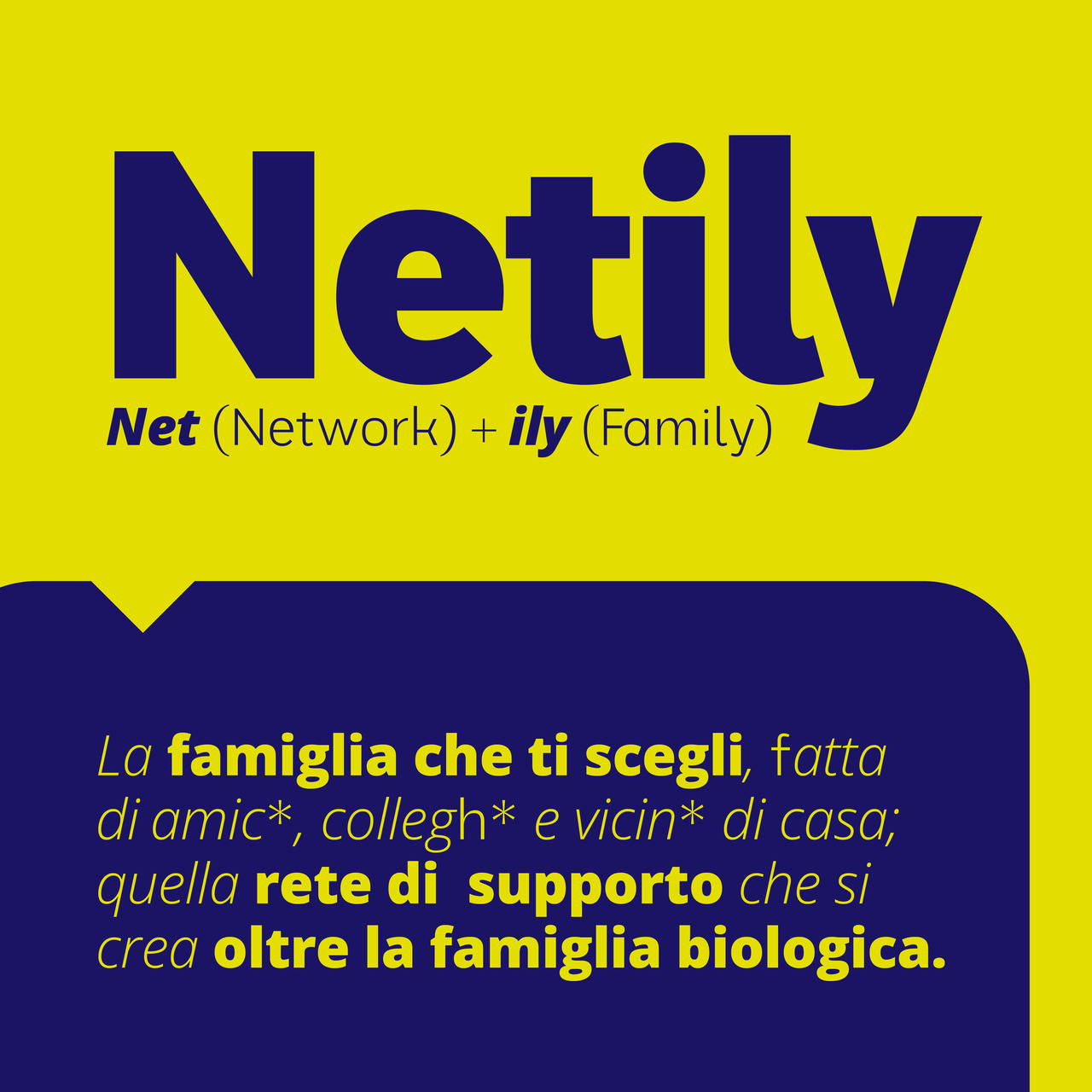
We’ll wrap up with “Netily,” the new term coined for the Festival, which perhaps serves as a guiding star for the younger generations. It is the result of the collaborative workshops held on the first day—a wonderful opportunity to exchange ideas with others and professionals on important topics, such as sustainability and inclusivity.
In conclusion, the Festival of Non-Hostile Communication gave us much to reflect on. We took part in this two-day event and certainly came away enriched: as a Benefit Corporation, we wholeheartedly embrace the vision of the younger generations, committing ourselves concretely to pursuing and achieving virtuous goals. Certainly, at this moment in history, the ability to convey this commitment to Generation Z is no easy feat, but we believe that our daily efforts will yield results for us—and for everyone—in the long term.